Chocolate Science and Technology - This book provides an overview of the science and technology of
chocolate manufacture from cocoa production, through the manufacturing
processes, to the sensory, nutrition and health aspects of chocolate
consumption. It covers cocoa cultivation and production with special
attention paid to cocoa bean composition, genotypic variations in the
bean, post-harvest pre-treatments, fermentation and drying processes,
and the biochemical basis of these operations. The scientific principles
behind industrial chocolate manufacture are outlined with detailed
explanations of the various stages of chocolate manufacturing including
mixing, refining, conching and tempering. Other topics covered include
the chemistry of flavour formation and development during cocoa
processing and chocolate manufacture; volatile flavour compounds and
their characteristics and identification; sensory descriptions and
character; and flavour release and perception in chocolate. The
nutritional and health benefits of cocoa and chocolate consumption are
also addressed. There is a focus throughout on those factors that
influence the flavour and quality characteristics of the finished
chocolate and that provide scope for process optimization and
improvement. The book is designed to be a desk reference for all those
engaged in the business of making and using chocolate worldwide;
confectionery and chocolate scientists in industry and academia;
students and practising food scientists and technologists; nutritionists
and other health professionals; and libraries of institutions where
food science is studied and researched. an overview of the science
behind chocolate manufacture covers the whole process from cocoa
production, through manufacturing, to the nutrition and health aspects
of chocolate consumption focuses on factors that influence chocolate
flavour and quality, and that provide scope for process optimization and
improvement.
Wednesday, 22 February 2012
2/22/2012 07:01:00 pm by farxNo comments
Lipid Handbook free download, The Lipid Handbook Gunstone ebook free download, Lipid Handbook DOWNLOAD
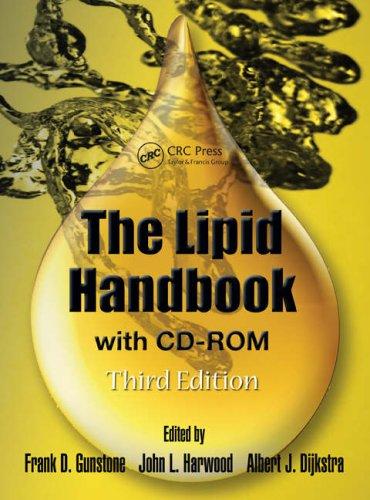
Extensively revised, reorganized, and expanded, the third edition of the industry standard, The Lipid Handbook reflects many of the changes in lipid science and technology that have occurred in the last decade. All chapters have been rewritten, many by new authors, to match the updated thinking and practice of modern lipid science and bring a fresh perspective to twenty years of tradition.
Retaining the general structure of the previous editions, The Lipid Handbook with CD-ROM, Third Edition collates a wide range of information into a single volume. New contributions highlight the latest technologies utilized in today's lipid science such as chromatographic analysis and nuclear magnetic resonance spectroscopy. An entirely new chapter is devoted to non-food uses such as lipids as surfactants, cosmetics, and biofuels. Expanded sections illustrate a growing emphasis on lipid metabolism and the nutritional, medical, and agricultural aspects including human dietary requirements and disorders of lipid metabolism. The dictionary section is vastly expanded to cover chemical structure, physical properties, and references to thousands of lipid and lipid related molecules. The handbook now includes a CD-ROM that allows instant access to tabulated and referenced information and can be searched either as the full text or by structure or substructure.
Saturday, 18 February 2012
2/18/2012 10:36:00 am by farxNo comments
Jurnal Praktikum Mikrobiologi
- Seperti biasa, apakah tujuan dari praktikum kali ini ?
- Mahasiswa mampu melakukan penyiapan media untuk disterilisasi
- Mahasiswa mampu melakukan sterilisasi media
- Mahasiswa mampu melakukan penuangan media agar pada cawan petri dan melakukan pembuatan media agar miring
- Sebutkan macam-macam media pembiakan bakteri ?
- media padat untuk mengamati morfologi koloni dan mengisolasi biakan murni(Contoh : Nutrient Agar, Mac Conkey Agar),
- media semi padat : untuk menumbuhkan mikroba yang memerlukan sedikit air dan hidup anaerobik atau fakultatif. Media semi solid dibuat dengan tujuan supaya pertumbuhan mikroba dapat menyebar ke seluruh media tetapi tidak mengalami percampuran sempurna jika tergoyang. (semisolid), dan
- media cair untuk membuat biakan dalam jumlah besar, penelaahan fermentasi dan berbagai macam uji(Contoh : Lactose Broth, Nutrient Broth).
Berdasarkan ada tidaknya penambahan zat pemadat seperti agar-agar, gelatin , maka dikenal 3 bentuk media, yaitu
Tuesday, 14 February 2012
2/14/2012 11:06:00 pm by farx3 comments
Soal Tes Jurnal Praktikum Mikrobiologi
- Seperti biasa, pada no 1 selalu ditanyakan apa tujuan dari praktikum kali ini ? 1. Mahasiswa mampu melakukan penyiapan olesan bakteri dengan baik sebagai prasyarat macam pewarnaan
- 2. Mahasiswa mampu melakukan pewarnaan gram
- 3. Mahasiswa mampu melakukan pengamatan bakteri dengan menggunakan mikroskop
- Olesan yang baik itu yang seperti apa ? Olesan yang baik adalah olesan yang tidak terlalu tebal dan tidak terlalu tipis. Jika terlalu tebal, maka akan terjadi penumpukan mikroba, sehingga akan sulit diamati. Jika terlalu tipis juga akan sulit diamati karena bentuknya tidak jelas.
Saturday, 11 February 2012
2/11/2012 09:28:00 am by farxNo comments
Latar Belakang Adanya Pengecatan / Pewarnaan Mikroorganisme dan Fungsi Pewarnaan Bakteri/ Mikroogranisme
Mikroorganisme yang ada di alam ini mempunyai morfologi, struktur
dan sifat-sifat yang khas, termasuk bakteri. Bakteri yang hidup hampir tidak berwarna
dan kontras dengan air. Untuk melihat dan mengamati bentuk sel bakteri
dalam keadaan hidup sangat sulit, sehingga untuk mengidentifikasinya dilakukan
dengan metode pengecatan atau pewarnaan sel bekteri, sehingga sel dapat
terlihat jelas dan mudah diamati. Hal tersebut juga berfungsi untuk mengetahui
sifat fisiologisnya yaitu mengetahui reaksi dinding sel bakteri melalui
serangkaian pengecatan. Oleh karena itu teknik pewarnaan sel bakteri ini
merupakan salah satu cara yang paling utama dalam penelitian-penelitian
mikrobiologi.
Gambar 1. Pewarnaan Spora
Subscribe to:
Posts (Atom)


